

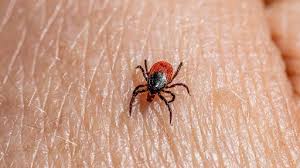
 The hidden tick zones at home are often overlooked areas where ticks thrive close to everyday living spaces in Fort Wayne and throughout Indiana. While most homeowners assume ticks are only found in deep woods or rural fields, the reality is that many of the highest-risk areas are right in your own yard.
Understanding where ticks hide can significantly reduce your risk of bites for both people and pets.
Why ticks thrive near homes
Ticks depend on three main conditions: moisture, shade, and access to animals or humans. Residential properties often unintentionally provide all three, especially in landscaped or partially wooded yards common in Fort Wayne neighborhoods.
Even well-maintained lawns can contain micro-environments that support tick survival.
More background on tick behavior is available from the CDC Tick Information.
Hidden tick zones most homeowners miss
1. Lawn edges and transition areas
Ticks rarely live in the middle of short-cut grass. Instead, they gather where lawns meet taller vegetation, such as:
- Fence lines
- Tree lines
- Garden borders
- Driveway edges
These “transition zones” give ticks shade while still allowing them to latch onto passing hosts.
2. Leaf litter and mulch beds
Moist, shaded organic material is one of the most common tick habitats. Leaf piles, mulch, and decomposing yard waste provide ideal humidity levels for survival.
3. Woodpiles and outdoor storage areas
Stacks of firewood, sheds, and storage bins create protected microclimates. These areas are rarely disturbed, making them stable environments for ticks.
4. Tall grass and overgrown corners
Even small patches of unmanaged grass or weeds can become tick hotspots, especially after rain when humidity levels rise.
5. Pet activity zones
Areas where dogs or outdoor pets rest or travel frequently can become concentrated tick zones due to repeated host contact.
The importance of managing tick exposure for pets is supported by the EPA Tick Prevention Guidance.
Why suburban yards in Fort Wayne are at risk
In Allen County and surrounding areas, suburban expansion has created a mix of lawns, wooded edges, and green corridors. This combination allows ticks to move easily between natural habitats and residential properties.
Key risk factors include:
- Proximity to wooded parks and trails
- Irrigated lawns and shaded landscaping
- Wildlife such as deer and small mammals
- Seasonal humidity and rainfall patterns
Signs you may have tick zones on your property
You may have hidden tick zones if you notice:
- Frequent ticks on pets after yard time
- Increased bites after outdoor activity
- Dense vegetation around yard edges
- Moist, shaded areas that stay damp after rain
How to reduce tick activity at home
Keep vegetation trimmed
Regularly mow grass and cut back brush, especially around yard boundaries.
Remove leaf litter
Rake leaves and clear organic debris where ticks can hide.
Create dry buffer zones
Use gravel or wood chips between lawns and wooded areas to reduce tick migration.
Store firewood properly
Keep woodpiles elevated and away from the house.
Protect pets
Check pets after outdoor time and use veterinarian-recommended tick prevention products.
Final thoughts
Ticks are rarely spread evenly across a yard—they concentrate in small, often invisible zones where conditions are just right. By identifying and managing these hidden tick zones at home, homeowners in Fort Wayne can significantly reduce exposure risk and create a safer outdoor environment.
Contact us today to schedule your treatment!