

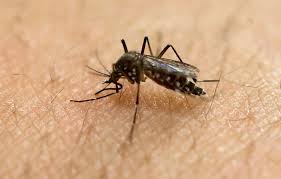
 If you live in or around Cleveland, you’ve probably noticed that mosquitoes can be relentless—especially during the summer. Many homeowners wonder why Lake Erie makes mosquito problems worse in Cleveland, and the answer lies in how large bodies of water influence climate, moisture, and mosquito habitats.
Lake Erie doesn’t just shape Cleveland’s weather—it also creates ideal conditions for mosquitoes to thrive. Here’s how.
Lake Erie Increases Moisture and Humidity
Large bodies of water like Lake Erie release moisture into the air, especially during warm months. This added moisture increases local humidity, which mosquitoes need to survive and reproduce.
Higher humidity:
-
Extends mosquito lifespan
-
Increases biting activity
-
Allows mosquitoes to stay active longer into the evening
This is why neighborhoods closer to the lake often experience heavier mosquito pressure than inland areas.
Shoreline and Wetland Areas Create Breeding Grounds
While Lake Erie itself isn’t a breeding site for mosquitoes due to wave movement, the areas surrounding the lake are perfect for mosquito reproduction.
Common breeding areas include:
-
Marshes and wetlands along the shoreline
-
Retention ponds and drainage ditches
-
Flooded grass and low-lying areas after storms
Even shallow, still water can produce hundreds of mosquitoes in less than a week.
Lake-Effect Weather Leads to Standing Water
Lake Erie is known for influencing weather patterns, including lake-effect rainstorms. During warmer months, these storms can drop heavy rainfall in short periods of time.
The result?
-
Water pooling in yards and parks
-
Saturated soil that drains slowly
-
Increased standing water around homes
All of these conditions give mosquitoes more opportunities to breed near residential areas.
Cooler Evenings Don’t Stop Mosquitoes Near the Lake
While lake breezes can cool down temperatures, mosquitoes often remain active because:
-
Humidity stays high near the shoreline
-
Vegetation provides shelter from wind
-
Shaded areas retain warmth
This means mosquitoes can still be aggressive even when evenings feel comfortable to people.
Urban Density Near Lake Erie Makes Control Harder
Cleveland’s lakeside neighborhoods combine moisture with dense housing, parks, and green spaces. Mosquitoes don’t respect property lines, so untreated areas nearby can quickly repopulate treated yards.
This makes long-term mosquito control more challenging without a consistent plan.
Health Risks Increase With Higher Mosquito Activity
More mosquitoes also mean a higher potential risk of mosquito-borne illnesses. According to the Centers for Disease Control and Prevention, mosquitoes in Ohio can carry diseases such as West Nile virus.
Reducucing mosquito populations helps protect both comfort and public health.
https://www.cdc.gov/mosquitoes
For state-level guidance, visit the Ohio Department of Health.
https://odh.ohio.gov
How Cleveland Homeowners Can Reduce Lake-Related Mosquito Problems
While you can’t change your proximity to Lake Erie, you can reduce mosquito activity by:
-
Eliminating standing water weekly
-
Keeping grass and shrubs trimmed
-
Improving drainage where possible
-
Using fans in outdoor seating areas
-
Scheduling professional mosquito treatments during peak season
Homes near the lake often benefit the most from consistent, season-long mosquito control.
Final Thoughts
So, why does Lake Erie make mosquito problems worse in Cleveland?
The combination of increased humidity, shoreline breeding areas, lake-effect rainfall, and dense neighborhoods creates ideal conditions for mosquitoes to thrive.
Understanding Lake Erie’s impact allows homeowners to take smarter steps toward long-term mosquito control—and enjoy Cleveland summers with fewer bites. Contact us today!