

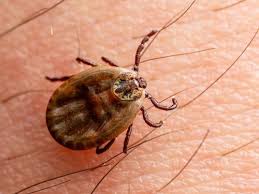
 Cleveland is a city known for its beautiful parks, greenways, and outdoor recreational spaces. While living near parks and wooded areas offers access to nature, it also comes with an often-overlooked risk: higher tick populations in nearby backyards.
Understanding why Cleveland backyards near parks have higher tick risks helps homeowners take the right steps to protect their families and pets.
Why Parks Increase Tick Risk
Ticks thrive in environments that are:
-
Wooded or forested
-
Moist and shaded
-
Home to wildlife
Parks like Cleveland Metroparks provide ideal habitats for ticks because they host abundant wildlife such as deer, raccoons, and small mammals—common carriers of ticks.
Ticks often migrate from parks into neighboring yards, especially if the property borders wooded areas or trails. Even well-maintained lawns are at risk if they are near natural habitats.
Common Tick Species Found Near Cleveland Parks
Homeowners living near parks in Cleveland may encounter several tick species:
-
Blacklegged (Deer) Tick – Primary carrier of Lyme disease.
-
Lone Star Tick – Can transmit ehrlichiosis and cause Alpha-gal (red meat) allergies.
-
American Dog Tick – Known for Rocky Mountain spotted fever transmission.
Health Risks Associated with Tick Exposure
Ticks carry multiple illnesses that can affect both humans and pets:
-
Lyme Disease: Fever, fatigue, headache, and bull’s-eye rash.
-
Rocky Mountain Spotted Fever: Fever, rash, and potentially severe complications.
-
Ehrlichiosis: Fever, muscle aches, and fatigue.
-
Alpha-gal Syndrome: Red meat allergy triggered by lone star tick bites.
How to Reduce Tick Risk in Backyards Near Parks
1. Yard Maintenance
-
Keep grass trimmed short
-
Remove leaf litter, brush, and debris
-
Prune shrubs to improve sunlight and airflow
2. Create Barriers
-
Install mulch or gravel borders between your lawn and the park or wooded edges
-
Use fencing to limit wildlife entry into your yard
3. Tick-Resistant Landscaping
-
Favor sunny, dry areas for play spaces
-
Avoid dense ground cover near decks or patios
-
Plant deer-resistant shrubs to minimize wildlife visits
4. Personal and Pet Protection
-
Wear long sleeves and pants in shaded or wooded areas
-
Apply EPA-approved tick repellents
-
Perform daily tick checks on children and pets
-
Use veterinarian-approved tick preventatives for dogs and cats
CDC Tick Prevention Tips – https://www.cdc.gov/ticks/avoid/on_people.html
Professional Tick Control Near Parks
Even with yard maintenance, tick migration from nearby parks can maintain populations in residential areas. Professional tick treatments provide:
-
Targeted coverage along yard edges and shaded areas
-
Residual protection for 3–5 weeks
-
Reduction of multiple tick species, including deer ticks and lone star ticks
Final Thoughts: Protecting Backyards Near Cleveland Parks
Living near parks in Cleveland offers tremendous recreational benefits but also increases tick exposure risks. Homeowners can protect themselves by:
-
Maintaining yards to reduce tick habitats
-
Implementing physical barriers and tick-resistant landscaping
-
Using personal protection and pet preventative measures
-
Considering professional tick control services
By taking these steps, families can safely enjoy their outdoor spaces while minimizing exposure to tick-borne diseases.