

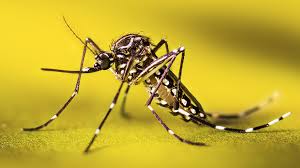
Winter used to bring a welcome break from mosquitoes—but not anymore. Around the world, scientists are seeing warmer winters extending mosquito seasons, allowing these pests to survive longer, breed earlier, and move into new regions once too cold for them.
This shift isn’t just a minor inconvenience—it’s changing the way we think about mosquito control, global health, and the balance of ecosystems. In this post, we’ll explore how climate change is reshaping mosquito activity worldwide, why it matters, and what you can do to stay protected.
.
🌡️ Why Warmer Winters Matter
Mosquitoes are cold-blooded insects, meaning their activity depends entirely on temperature. Traditionally, cold winters have been nature’s way of keeping populations in check. When temperatures drop below 50°F (10°C), mosquitoes enter diapause—a dormant state—or die off completely.
However, with global average temperatures steadily rising, winters are becoming shorter and milder. This allows mosquitoes to:
-
Survive longer into fall and winter months
-
Start breeding earlier in spring
-
Expand into regions once too cold for them
According to the World Health Organization (WHO), warming trends have already enabled several mosquito species, such as Aedes aegypti and Aedes albopictus, to thrive in parts of Europe, North America, and Asia where they were previously rare.
🦟 More Mosquitoes, More Diseases
It’s not just about more bites—longer mosquito seasons mean greater risk of mosquito-borne diseases.
Warmer temperatures accelerate the mosquito life cycle and increase the rate at which viruses replicate inside their bodies. As a result, diseases spread faster and last longer throughout the year.
Common mosquito-borne illnesses influenced by warmer climates include:
-
West Nile virus
-
Dengue fever
-
Zika virus
-
Chikungunya
-
Malaria (in regions where it is endemic)
The Centers for Disease Control and Prevention (CDC) reports that the geographic range of these diseases has expanded in recent decades, with outbreaks occurring in places once considered low-risk.
🌍 How Global Warming Expands Mosquito Territories
Warmer winters don’t just keep mosquitoes active longer—they help them migrate to higher altitudes and latitudes.
-
In North America, mosquitoes are now appearing earlier in the year and surviving later into the fall, particularly in southern and coastal regions.
-
In Europe, Aedes albopictus (the Asian tiger mosquito) has spread from the Mediterranean to northern and central Europe.
-
In Asia and Africa, prolonged rainy and warm seasons create near-constant breeding opportunities.
This expansion increases the potential for new disease outbreaks in areas with limited immunity or inadequate mosquito control infrastructure.
🏡 What Homeowners Can Do to Adapt
Even as mosquito seasons lengthen, there are steps you can take to protect your family and reduce breeding opportunities around your home:
-
Eliminate standing water – Empty planters, buckets, and gutters weekly.
-
Use screens and fans – Mosquitoes struggle in moving air.
-
Plant natural repellents – Try lavender, citronella, or basil near outdoor seating areas.
-
Maintain ponds responsibly – Add moving water or mosquito-eating fish.
-
Stay informed about local outbreaks – Many health departments publish seasonal updates online.
For eco-friendly mosquito management, read our post on How Supporting Local Wildlife Helps Fight the Bite.
🔬 A Changing Climate, A Changing Risk
Scientists warn that climate-related mosquito expansion is a clear example of how global warming directly impacts human health. With rising temperatures, diseases once limited to tropical regions are appearing in temperate climates—and public health agencies are racing to adapt.
The United Nations Environment Programme (UNEP) emphasizes that addressing mosquito-borne disease risk requires a mix of climate action, community awareness, and local prevention efforts.
🌿 Final Thoughts
Warmer winters are reshaping the world of mosquitoes—making them more resilient, more widespread, and more persistent than ever. While we can’t control the climate overnight, we can take local action to reduce breeding habitats, protect our homes, and support wildlife that helps keep mosquito populations balanced.
By understanding how warmer winters are extending mosquito seasons globally, we can stay one step ahead in the fight against the world’s most persistent pest by contacting Mosquito Sheriff today!