

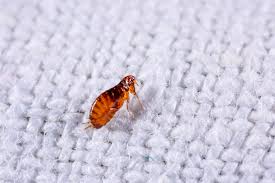
 Many pet owners think winter automatically means “flea-free.” Unfortunately, the cozy indoor environments we create during colder months often make our homes more attractive to fleas—not less. Because we close windows, turn up the heat, and spend more time indoors, fleas can thrive if a few slip inside.
Here are 10 winter habits that might be unknowingly welcoming fleas into your home.
1. Turning Up the Heat
Central heating creates the warm, humid environment fleas love. Flea eggs hatch faster in warm environments, making your heated home a perfect breeding ground.
Learn more about preventing indoor infestations here: Protecting Your Home From Winter Fleas (internal link).
2. Skipping Monthly Flea Prevention
Many owners stop flea meds in winter, thinking pests are gone. This gap is often when fleas sneak in and multiply.
For product guidance, visit our Year-Round Parasite Prevention Guide (internal link).
3. Leaving Pet Bedding Unwashed
Pet bedding absorbs warmth and humidity—ideal conditions for flea eggs and larvae.
Pro tip: Wash bedding weekly in hot water to kill all flea life stages.
4. Ignoring the Vacuum During Winter
Winter means more indoor time, which means more shedding, more dust—and more places for flea eggs to hide.
Vacuuming regularly can remove up to 50% of flea eggs and larvae from carpets and cracks.
5. Storing Winter Gear (Blankets, Coats, Pet Sweaters) Without Washing
Fleas can cling to fabrics. When soft items are stored without washing, fleas may settle in and hatch later.
6. Hosting Holiday Guests Without Considering Pet Exposure
Visitors may bring fleas into your home via clothing, luggage, or their own pets—especially if they live in warmer climates where fleas stay active year-round.
7. Letting Your Pet Sit Near Entryways or Mudrooms
These areas are prime landing spots for fleas that hitch a ride on shoes, bags, and winter coats. Pets resting here often become the fleas’ first target.
8. Not Checking Pets After Short Outdoor Trips
Even quick potty breaks can expose pets to winter-active fleas and ticks. Some tick species remain active at temperatures as low as 35°F.
For accurate winter tick activity information, visit the CDC:
CDC – Ticks (external link).
9. Letting Pets Sleep in Your Bed More Often in Winter
While cozy, this gives fleas easy access to warm environments and consistent feeding opportunities.
If your pet sleeps in your bed, consistent prevention becomes even more important.
10. Keeping Piles of Blankets, Towels, or Laundry on the Floor
Warm, dense fabric piles make the perfect hiding spot for flea larvae.
Keep linens off the floor and wash them frequently—especially during the winter months.
How to Keep Fleas Out of Your Home This Winter
-
Use flea prevention year-round
-
Wash pet bedding weekly
-
Vacuum carpets, couches, and pet areas often
-
Check your pets regularly for flea dirt
-
Keep entryway floors clean
-
Reduce indoor humidity with a dehumidifier
Need personalized flea prevention for your pet?
Schedule a visit: Book an Appointment
Final Thoughts
Winter doesn’t eliminate fleas—if anything, it gives them a better chance to flourish. By avoiding these common cold-weather habits, you can keep your home flea-free and your pets healthy all season long.